














Nembutal Overdose and Emergency Response
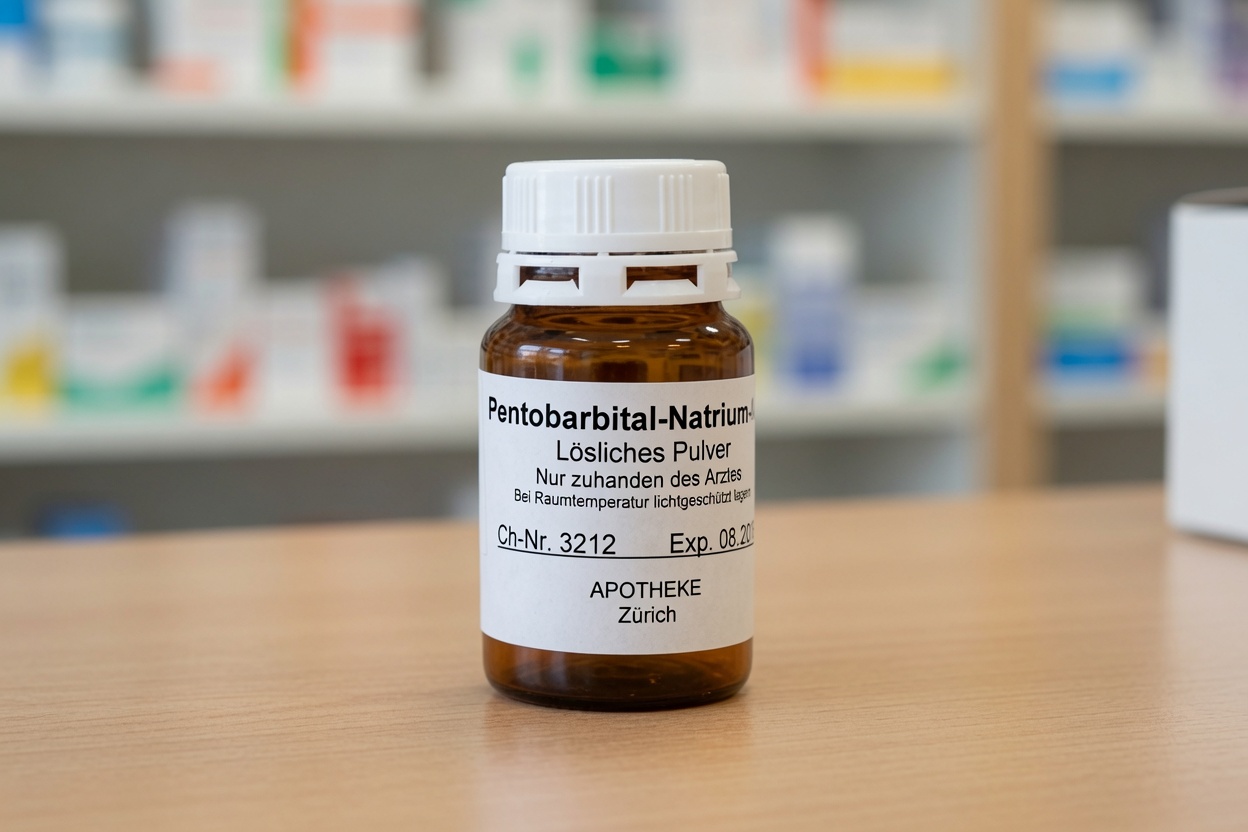
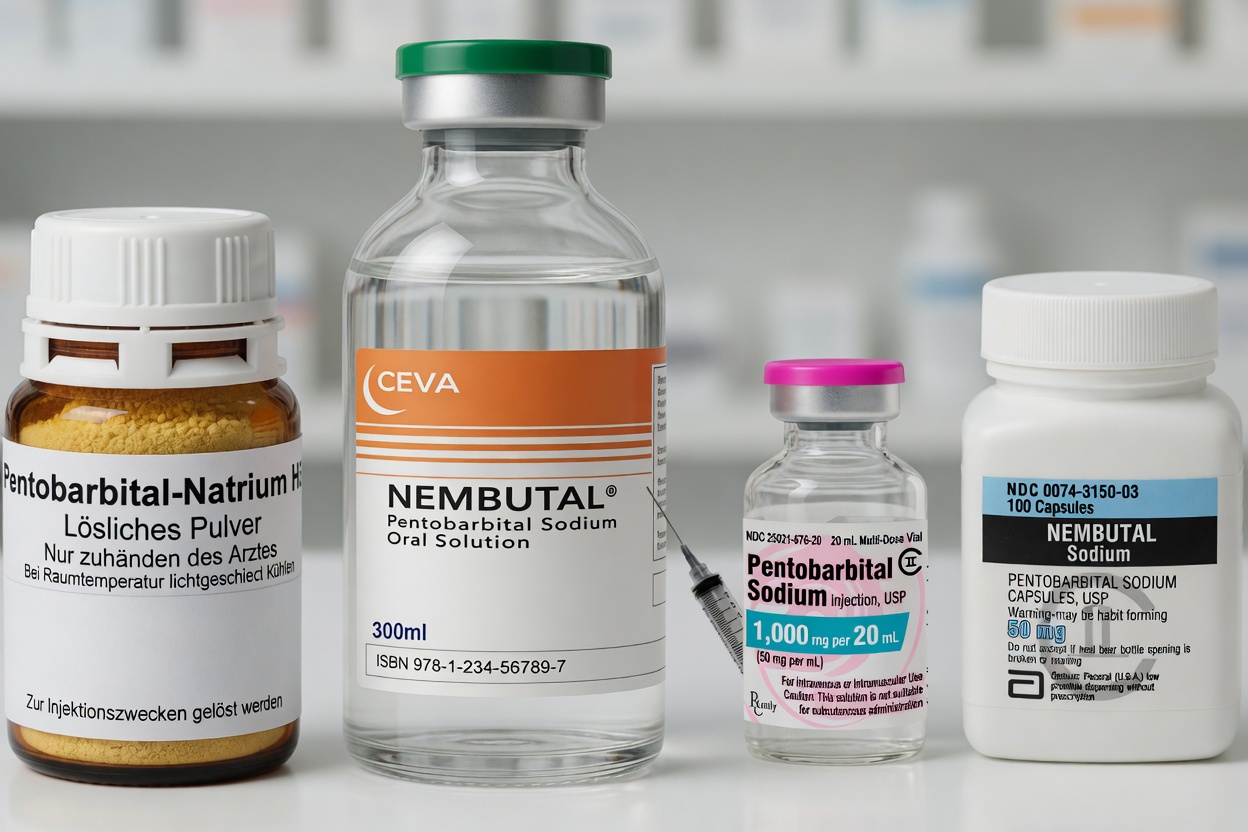
Nembutal is a brand name for pentobarbital, a barbiturate medication historically used as a sedative, anticonvulsant, and in certain controlled medical or veterinary settings. Like other barbiturates, it depresses the central nervous system. An overdose is a life-threatening medical emergency that can lead to severe respiratory depression, coma, and death.
This article focuses solely on recognition of overdose, the importance of immediate professional medical intervention, and harm-reduction through seeking help. It does not describe methods, dosages, acquisition, or any means of causing overdose. Any non-prescribed use of this substance carries extreme risk.
Recognizing Potential Overdose
Barbiturate overdose typically involves progressive central nervous system and respiratory depression. Signs may include:
- Extreme drowsiness or inability to stay awake
- Slowed, shallow, or irregular breathing
- Confusion, slurred speech, or unresponsiveness
- Low blood pressure or weak pulse
- Cool or clammy skin
- In severe cases, loss of consciousness progressing to coma
These effects can develop rapidly and worsen without intervention. Co-ingestion with alcohol, opioids, benzodiazepines, or other sedatives greatly increases danger.
Immediate Emergency Response
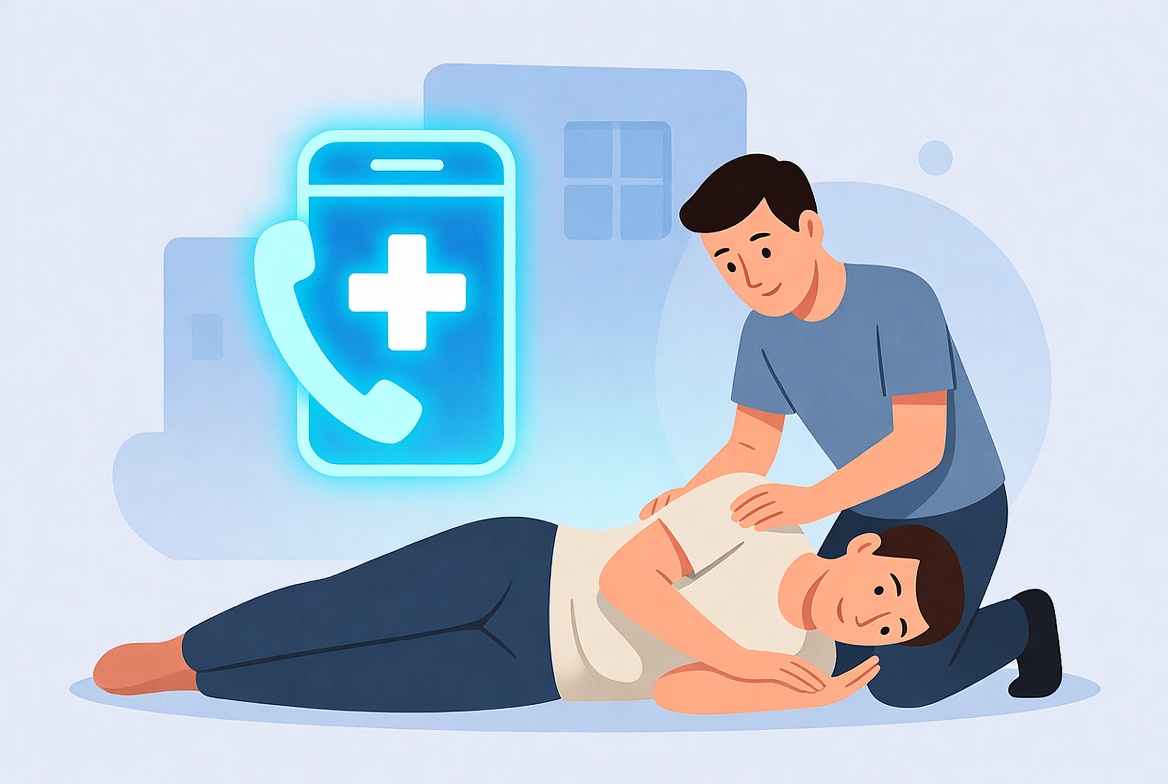
If you suspect someone has overdosed on Nembutal (or any barbiturate):
- Call emergency services immediately
Dial your local emergency number (911 in the United States, 112 in much of Europe, or the equivalent in your country). State that you suspect a barbiturate or sedative overdose so responders can prepare appropriately. - Do not leave the person alone
Stay with them and monitor breathing and responsiveness until help arrives. - Basic first-aid measures while waiting for professionals
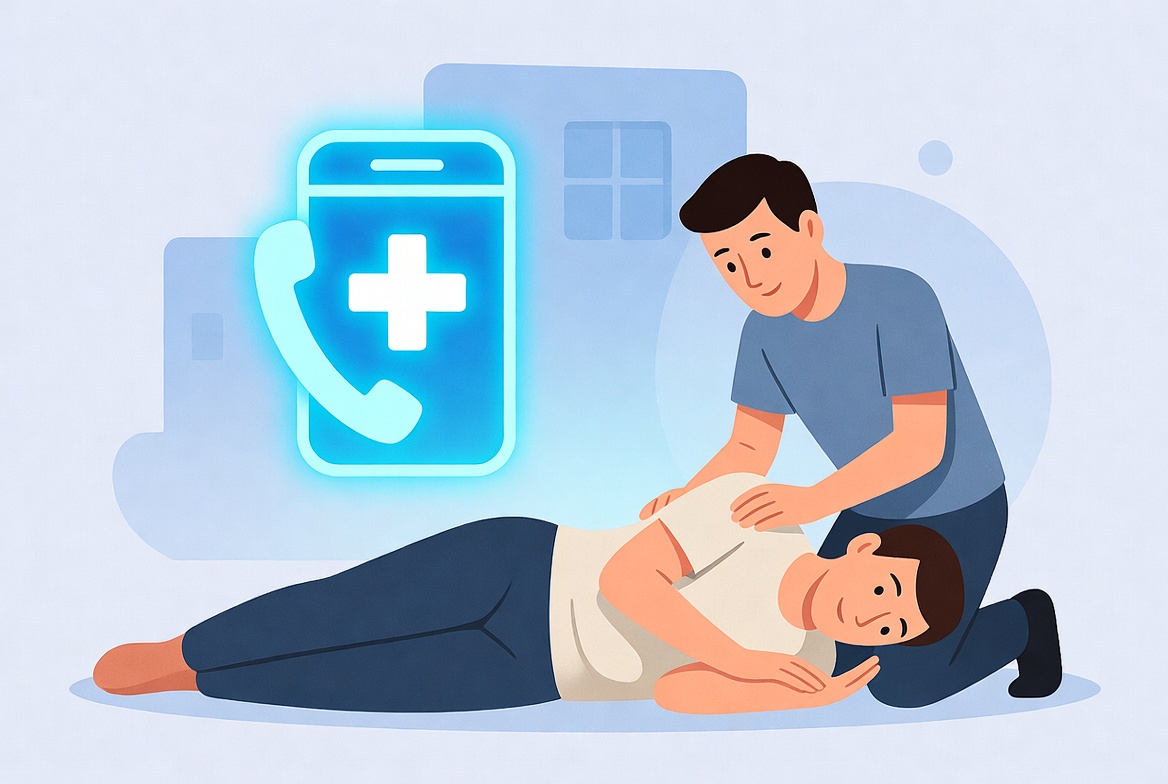
- If the person is unresponsive but breathing, place them in the recovery position (on their side) to help keep the airway clear.
- If they stop breathing or have no pulse, begin CPR if you are trained, and follow dispatcher instructions.
- Do not attempt to induce vomiting or give anything by mouth unless directed by emergency personnel.
- Provide responders with any available information about substances taken, approximate time, and the person’s medical history if known.
Hospital treatment for barbiturate overdose is supportive and may include airway management, mechanical ventilation, intravenous fluids, monitoring of vital signs, and other intensive-care measures. There is no widely available specific antidote comparable to naloxone for opioids; recovery depends on rapid medical intervention and the body’s ability to clear the drug.
Prevention and Support
Nembutal and similar substances are tightly controlled for good reason. Unauthorized possession or use is illegal in most jurisdictions and carries high risk of fatal outcome. If someone is struggling with suicidal thoughts, depression, substance use, or hopelessness, professional help is available and effective.
- In the United States, call or text 988 (Suicide & Crisis Lifeline) — 24/7, free, and confidential.
- Internationally, resources can be found through the International Association for Suicide Prevention (https://www.iasp.info/suicidalthoughts/) or local crisis lines.
- For substance-related concerns, contact local poison control centers or addiction services.
If you or someone you know is in crisis, reach out now. Overdose is not a solution; medical and mental-health support can address the underlying issues safely.
This information is for educational and emergency-preparedness purposes only. It is not medical advice. Always consult qualified healthcare professionals or emergency services for real situations.